Premium freeze-dried food for everyday meals and any emergency.
Freeze-dried fruits, vegetables, meats, dairy and complete meals — with up to a 25-year shelf life. Thrive Freeze helps families build delicious, long-term food storage with honest advice and the brands we trust.




10,000+ households served · 7+ years of trusted advice

“Tastes amazing!”Sarah, mom of 3
“Stocked up — great deal!”James, dad of 2

“My kids actually ask for it!”Mia, mom of 2
What are you stocking up for?
Tell us how you will use it and we will point you to the right freeze-dried food — each with its own guide.

Everyday Cooking
Real ingredients for fast, tasty weeknight meals — zero prep, zero waste.
Explore →
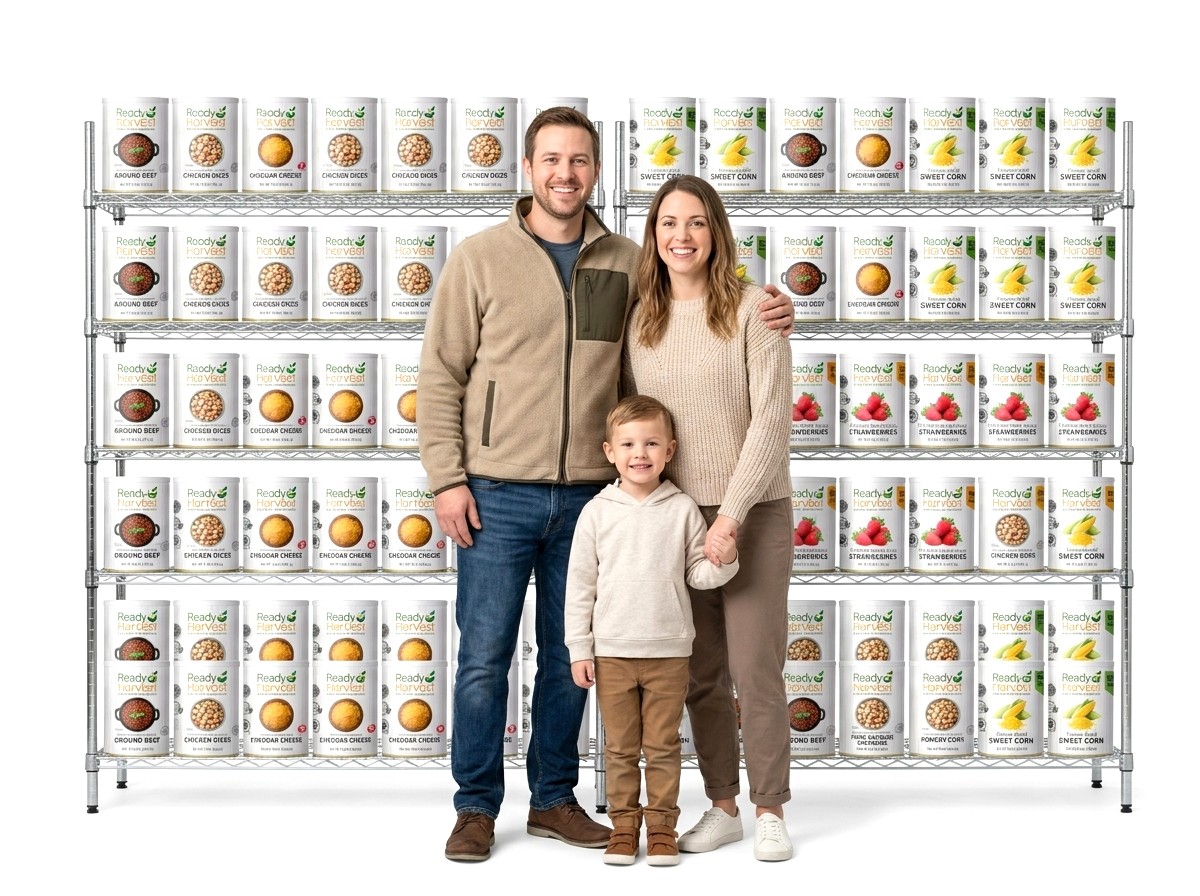
Emergency Storage
Be ready for outages and storms — calmly, with food that lasts decades.
Explore →

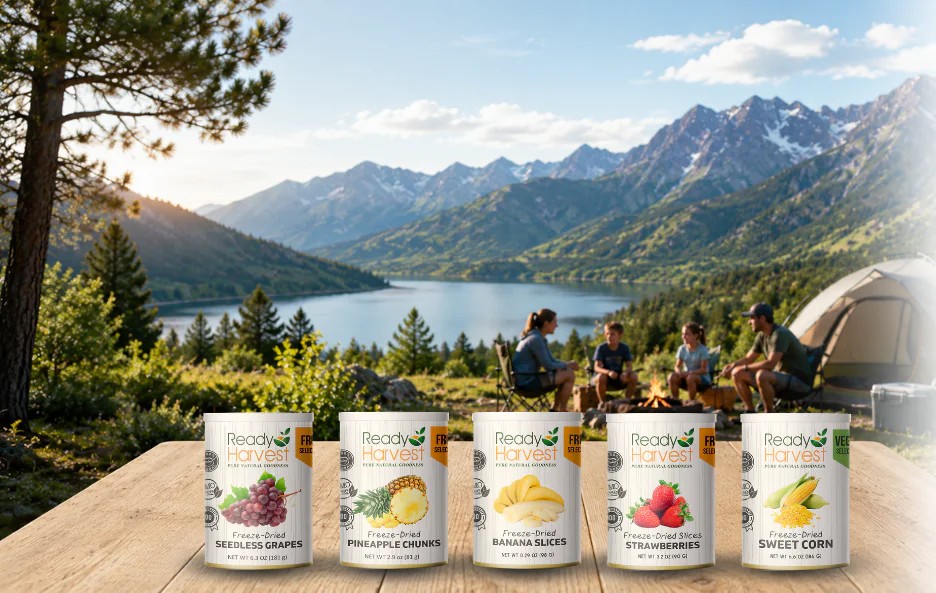
Camping & Outdoor
Lightweight meals that travel anywhere and just need hot water.
Explore →
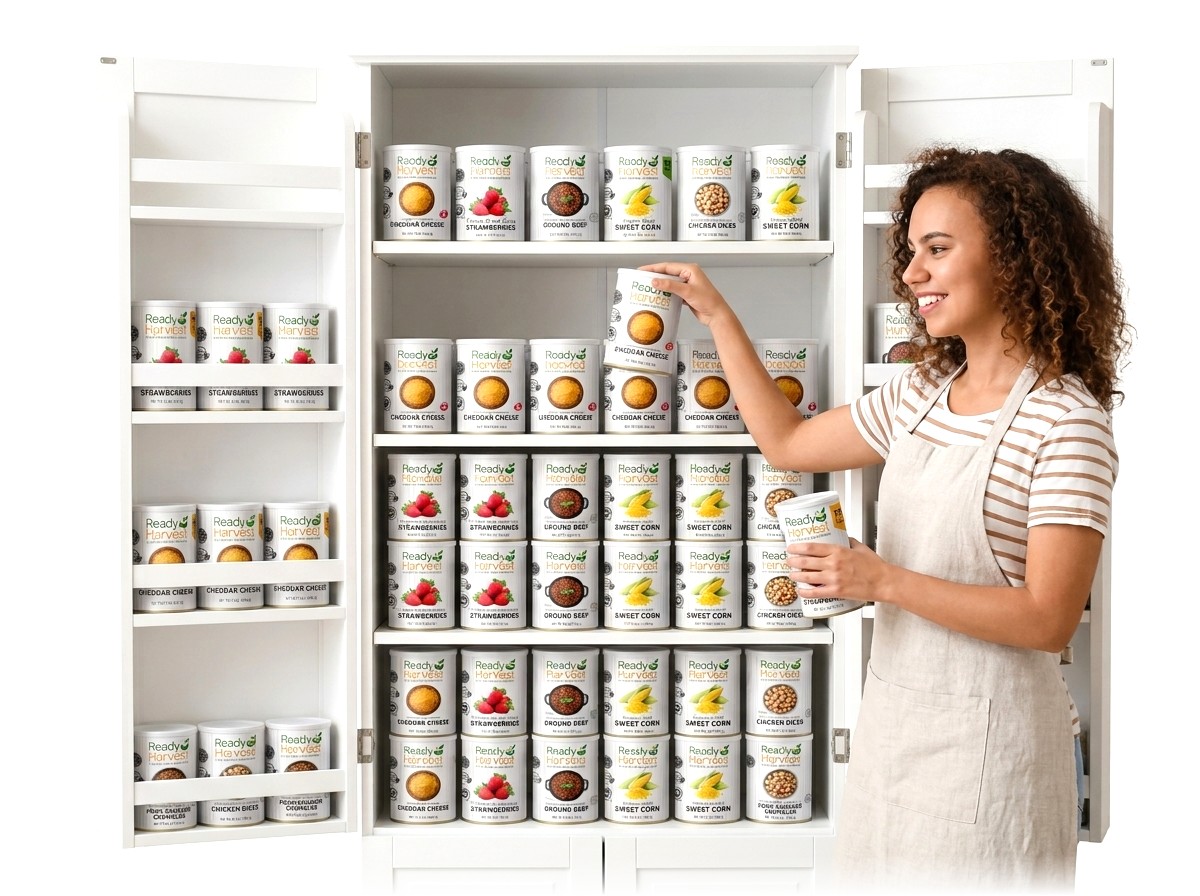
Long-Term Pantry
Build a deep, decades-long supply for real peace of mind.
Explore →
Real food, ready when you need it
From freeze-dried fruits and vegetables to proteins, dairy and complete meals — stock your pantry with food that lasts.
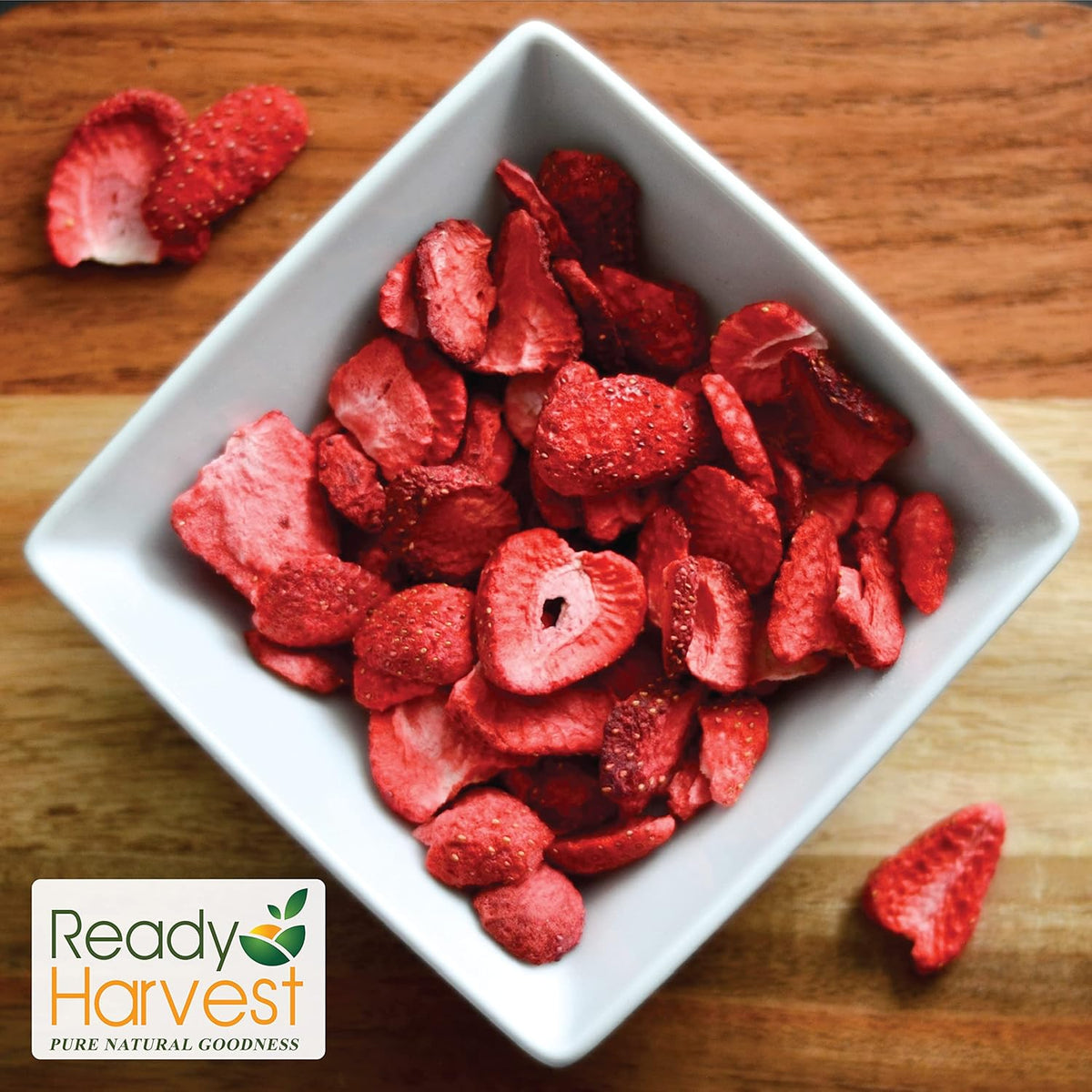
Freeze-Dried Fruits
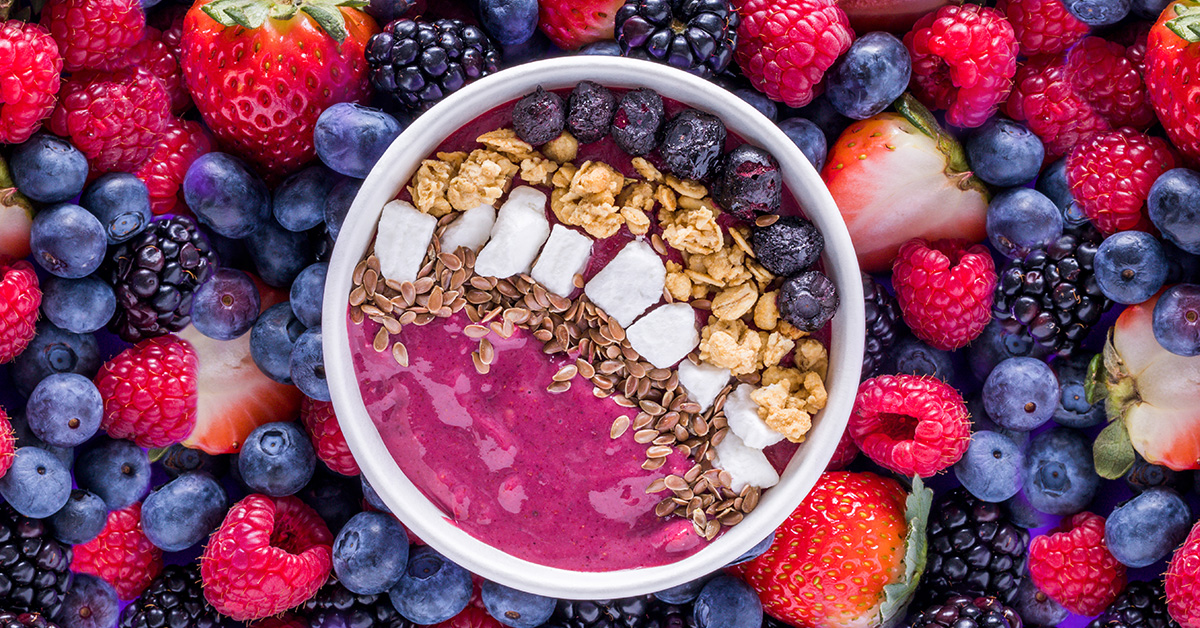
Strawberries, bananas, grapes, mango — naturally sweet, nothing added.
Shop fruits →
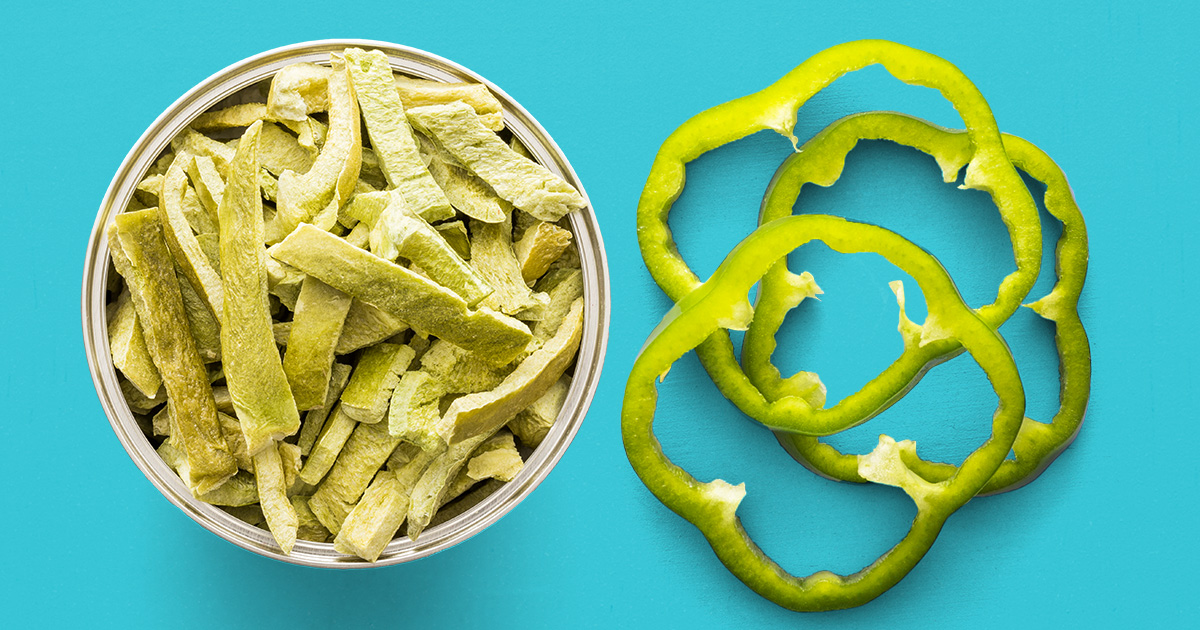
Freeze-Dried Vegetables
Sweet corn, peas, garlic and more — pantry-ready for any recipe.
Shop vegetables →
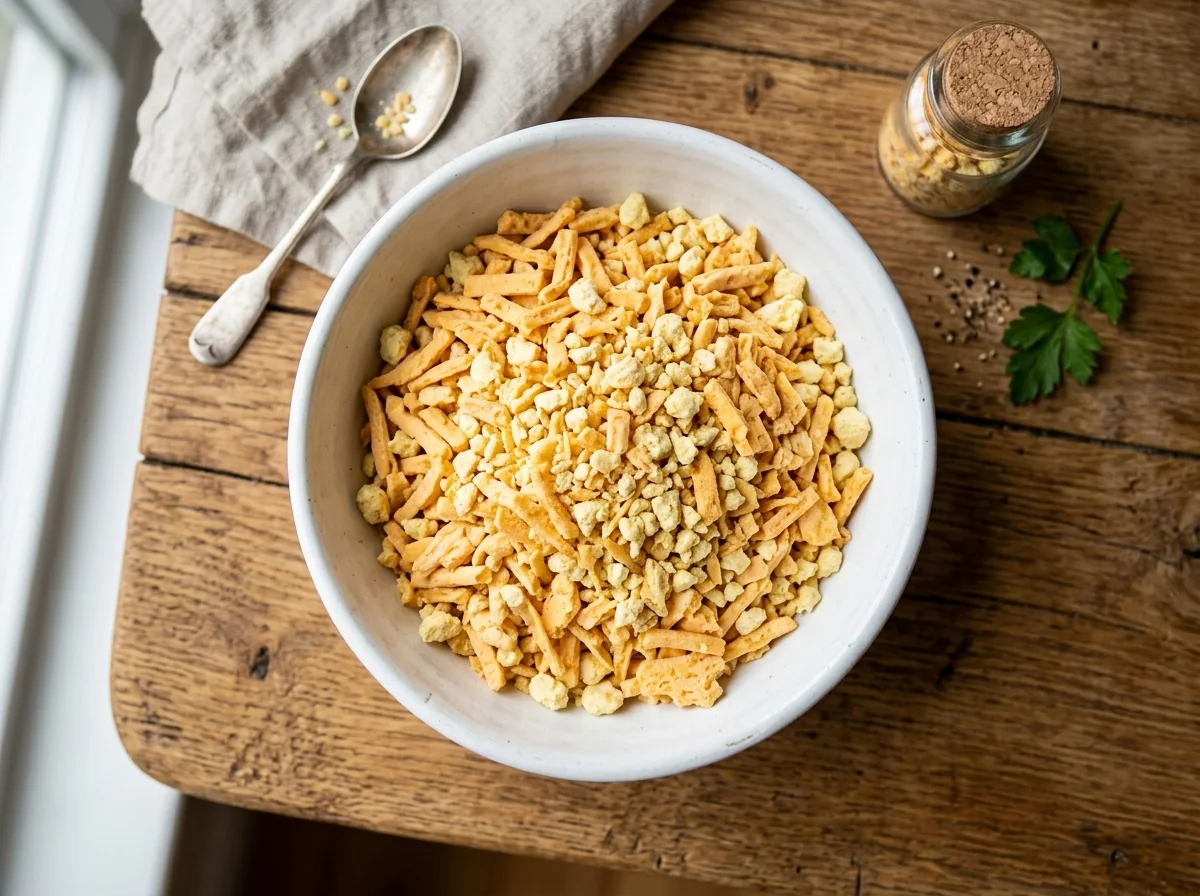
Dairy, Eggs & Proteins
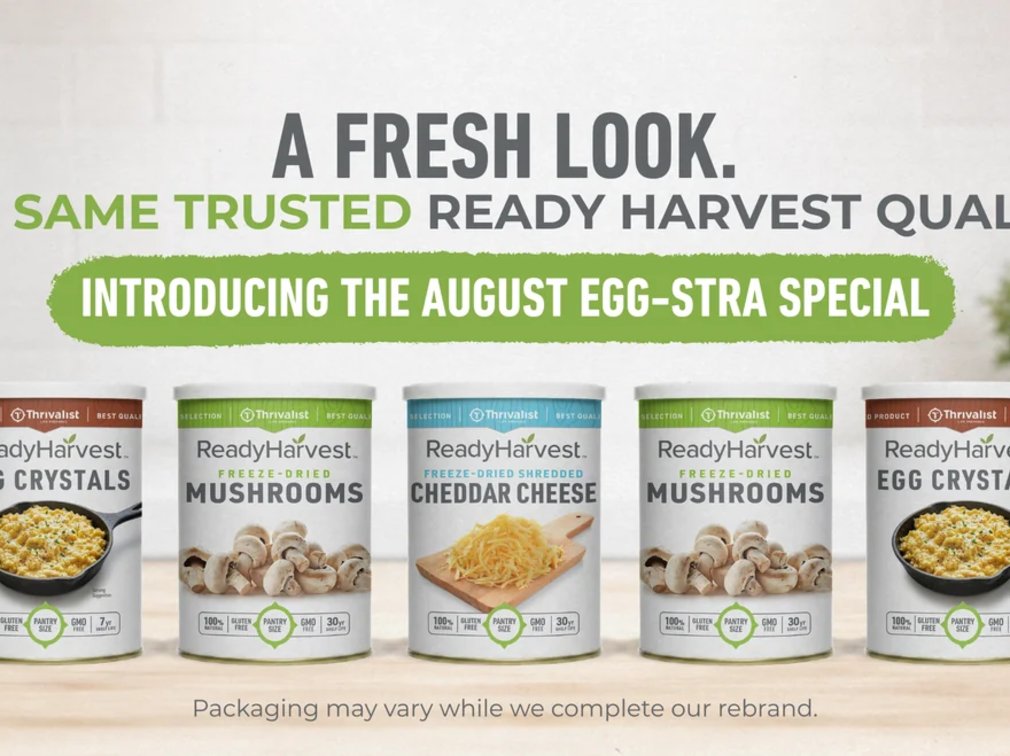
Egg crystals, dairy and meats with decades of shelf life.
Shop proteins →
Quality you can taste — nutrition that lasts
Flash-frozen at peak freshness to lock in flavor, color and nutrients for years.
No MSG or preservatives
Real, single-ingredient freeze-dried food — no MSG, no preservatives, hand-selected to the strictest standards.
Amazing taste
Built for everyday menu planning and tested again and again — great taste is the standard, not the exception.
99% nutrients retained
Flash-freezing locks in up to 99% of the nutrients, color and texture of fresh food.
5–25 year shelf life
Sealed cans store for years without spoilage — perfect for long-term food storage and emergencies.
Easy preparation
Just add water. Easy recipes are included on every can, so you always know what to make.
Best value
A low per-serving cost means real variety and nutrition for your family — without the waste.
How much freeze-dried food do you need?
Tell us about your household and we will calculate your calories, servings, and a Ready Harvest food-storage plan to match.
estimated · before deals
Estimate based on Ready Harvest pricing via Thrivalist. Guidance follows ~2,000 cal/day (WHO).
Customer favorites
Real freeze-dried food, real shelf life. Every link goes to our trusted partner, Thrivalist.



Real fruit, freeze-dried into snacks
Crunchy, naturally sweet, and nothing added — strawberries, mango, pineapple and more. Light enough for lunchboxes, trail bags, and midday cravings.
 Freeze-Dried Strawberriesfrom $4.99Shop all snacks →Supplied and shipped by our partner Wise Harvest.
Meet Aria — your Advisor Agent
Not sure what to buy first or how much you need? Ask Advisor Agent Aria by phone, 24/7. Real answers about freeze-dried food, shelf life and building your storage, any time.
Advice first, always
We are not a faceless store — we are the honest layer of freeze-dried food guidance above the brands.
“Their calculator told me exactly how much freeze-dried food to buy for my family of five — and saved me from over-ordering.”
“Finally a freeze-dried site that explains things instead of just selling. The food tastes great and the advice was spot on.”

“They walked me through shelf life and storage like a real advisor. That is how you earn a customer for life.”

We earn a commission when you buy through our links — but we recommend freeze-dried food we would be comfortable keeping for our own families, and we will always tell you when a better option exists.
Learn before you stock up
Practical, no-hype freeze-dried food guides updated for 2026.
How long does freeze-dried food really last?
Shelf-life claims decoded — and how to make yours last the full 25 years.
1-month, 6-month & 1-year food supply plans compared
Real cost, storage space and calories for solo and family scenarios.
20 easy freeze-dried meal recipes for 2026
Breakfasts, dinners and snacks with real rehydration ratios.
Turn preparedness into income
Love freeze-dried food? Share it and earn. Our partner program rewards you for helping families get prepared — flexible, commission-based and beginner-friendly.
Real food, sealed for decades
Non-GMO fruit, vegetables, dairy and protein — flash-frozen at peak ripeness, ready when you need it.
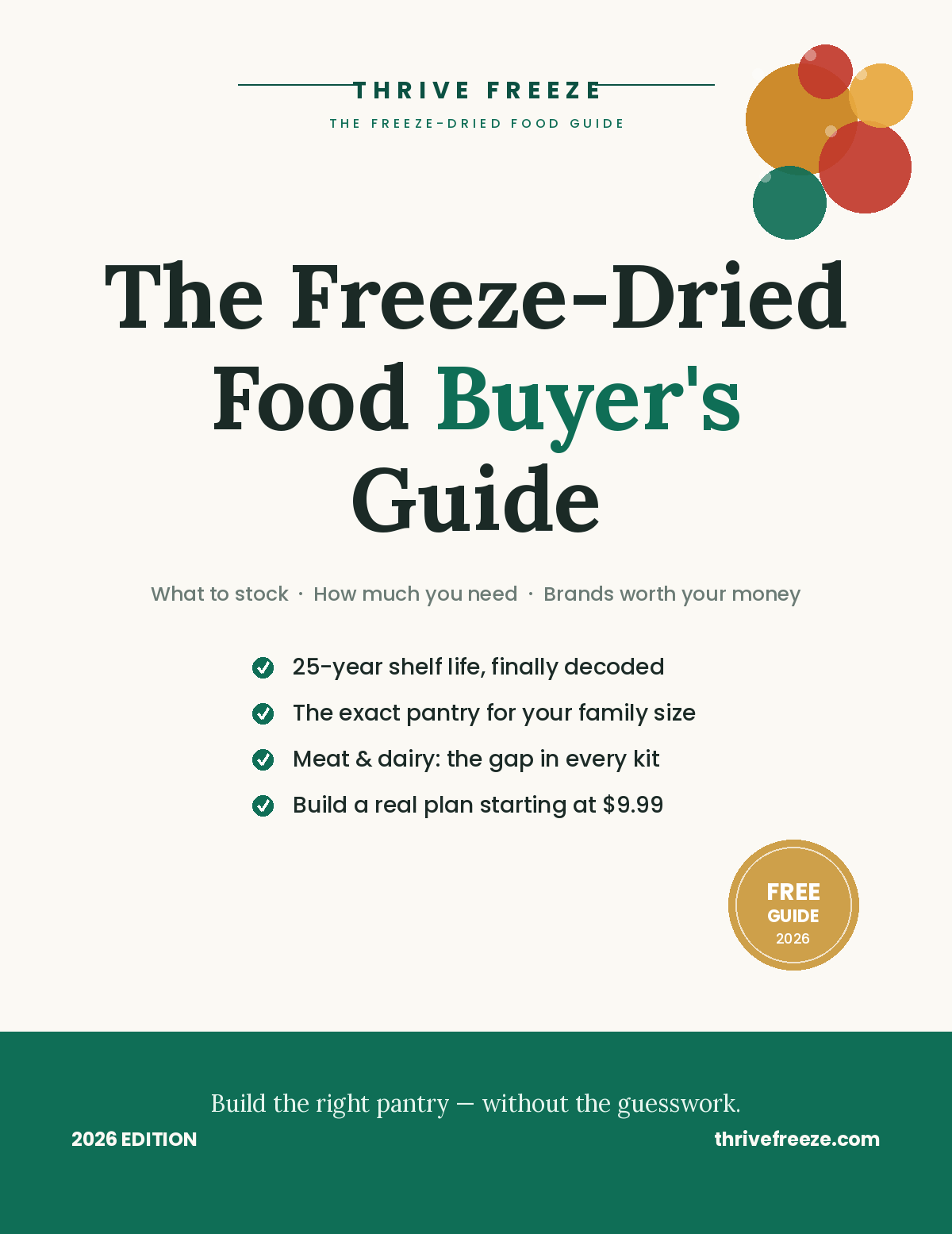
Get the Honest Freeze-Dried Buyer’s Guide
What’s actually worth buying, how much your family needs, and how to avoid overpaying. We’ll email it to you free — no spam, unsubscribe anytime.
Get the free guide →