


What to Know Before You Buy a Pantry Can
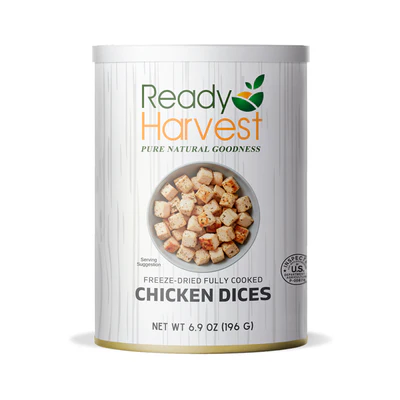
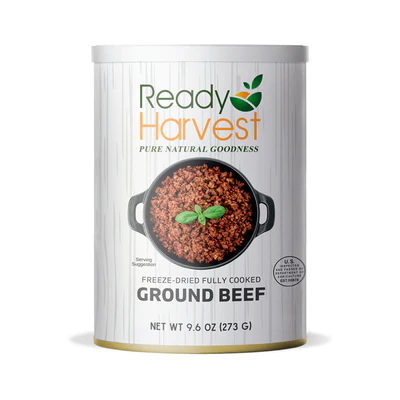
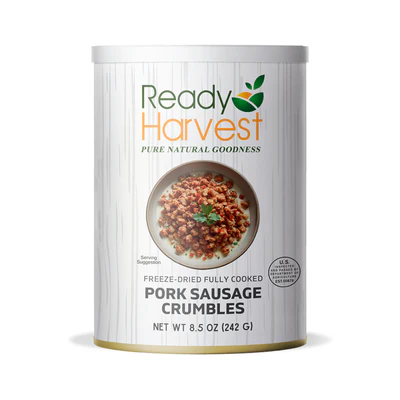
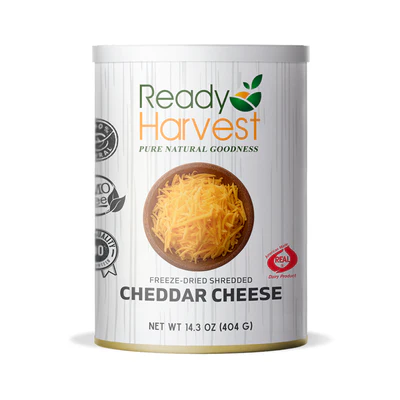
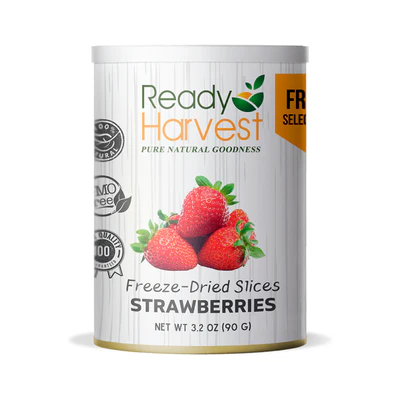
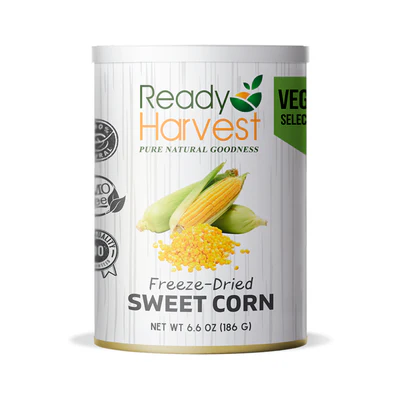
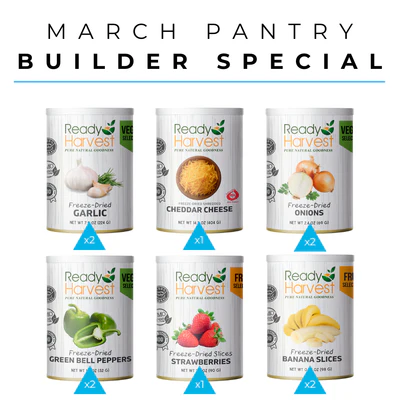
Pantry cans are the workhorse container of long-term food storage: a metal can, sealed, that keeps freeze-dried food protected from air, light and moisture. The products listed above include cooked meats, cheese, corn, mushrooms and fruit. Before you order, it helps to understand what you are actually getting and how to use it before it goes to waste.
What a #10 Can Is
The term "#10" is an industry size, not a weight. A #10 can is roughly 7 inches tall and about 6 to 7 inches across, though exact dimensions vary by manufacturer. Because freeze-dried food is very light, a can can hold a lot of food by volume while the label shows a low weight in ounces. That is why the weights on this page (a few ounces for fruit, more for cheese) can look small compared with the can. Check each product description to see the can size used, since not every listing is a #10.
How Many Servings to Expect
Servings per can vary widely by food. Fruit, vegetables, dairy and meat all rehydrate differently, and a manufacturer's serving size may be a small amount. Always read the label for servings and for what the serving size means (dry weight, or prepared).
- Use the label's servings as the number, not the can size.
- If the label gives a serving size in tablespoons or cups of dry food, measure it once at home so you can picture a portion.
- Remember that a meal built around a protein usually uses more than one serving per person, while a flavor ingredient like mushrooms or onions uses far less.
Matching Can Count to Household Size
These are example rules of thumb, not guarantees.
- 1 to 2 people: favor variety over volume. Several different cans beat many copies of one. Opened-can waste is the main risk.
- 3 to 4 people: one can of a main protein can cover a few meals when stretched with rice or beans. Use family-of-four planning tips.
- 5 or more: staples such as meats and vegetables are used up faster, so consider bulk and variety packs.
a household of three plans two chicken dinners a week for six weeks, using about 3 servings per meal as a label-based assumption. That is 2 x 6 x 3 = 36 servings. If the can label lists 12 servings, 36 / 12 = 3 cans. Replace the numbers with your label values.
A Plan for Using an Opened Can
Sealed cans last far longer than opened ones. Manufacturers commonly rate sealed cans at 20 to 25 years, but opened freeze-dried food starts absorbing moisture and aging faster. Check the label for how long the maker suggests using it once opened; many give a window far shorter than the sealed rating.
- Day 1: Open the can and write the date on it with a marker or label. Keep the lid or use a reusable airtight cap if your can has a plastic lid.
- Same week: Plan three uses: one main dish, one add-in (soup, scrambled eggs, casserole), and one snack or topping.
- Divide it: Move part of the contents into smaller dry glass jars with tight lids so you only expose a little at a time.
- Weeks 2 to 4: Use the rest in recipes. For ideas, browse easy freeze-dried recipes.
- Any time: Discard if the contents smell odd, feel damp or clumped, show mold, or taste rancid.
if you will not finish a can within the label window, buy a smaller size or share it with a friend or relative.
Labeling and Rotation
- Write the purchase or opening date on the side of each can, plus the food name if it is not obvious from the label.
- Store cans on a shelf, in a cool, dark, dry place and not on bare concrete. Heat is the main enemy; see where to store freeze-dried food.
- Keep a simple inventory sheet: item, can size, label servings, date, and best-by date from the can.
- First in, first out. Newest cans go in the back.
- Check for dents, bulges, rust and seam damage. Do not use a can that is swollen or has a broken seal.
Common Mistakes
- Buying one can of everything and opening several at once.
- Assuming a can of cheese or fruit is a main meal, when it is an ingredient.
- Skipping the label for servings and guessing from the can size.
- Leaving an opened can on a shelf with the lid loose.
- Not budgeting water for rehydrating; see water storage.
Quick Answers
Can I order a mix of cans?
Yes. Browse the shop for combinations, and note that availability on any item changes, so check the product page.
Which can should I try first?
Choose what your household already eats, such as chicken, corn or cheese. Because food items are listed as non-returnable, start with one or two cans. The advisor Aria can help with a starter list.