

How to Plan Long-Term Pantry Grains for Your Household
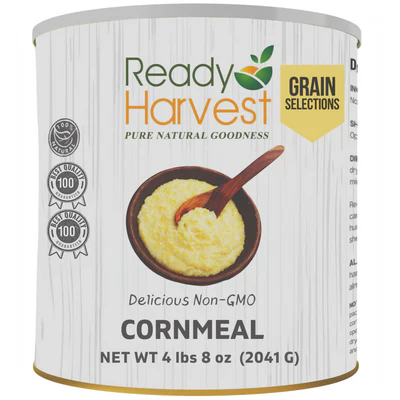
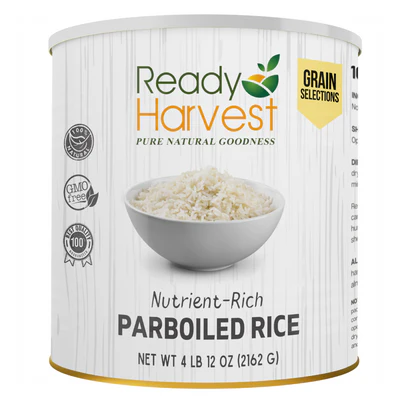
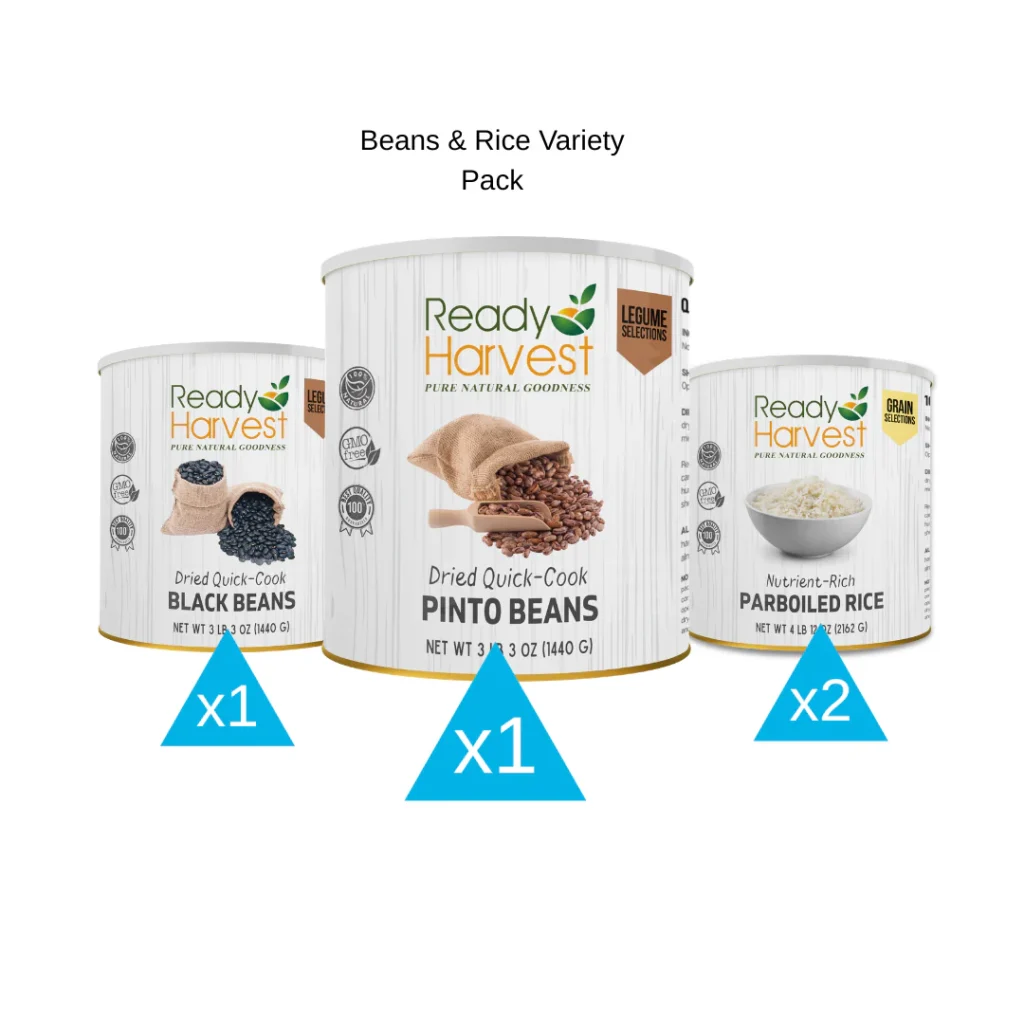
The grains above are shelf-stable staples: cornmeal, quick oats and parboiled long-grain white rice, plus a beans-and-rice variety pack. They are not freeze-dried in the way fruit and meat are. They are dry goods packed for long storage, and they play a different role in a pantry. Freeze-dried items add flavor, protein and variety. Grains add bulk and calories at a low cost per meal, which is why most long-term plans start here.
What Each Grain Is Good For
- Rice. The flexible base: side dish, rice bowls, soups, fried rice, rice pudding. Parboiled rice is partly cooked before milling, and many cooks find it holds its texture well. Check the package for cooking directions.
- Quick oats. Breakfast in minutes, and also a binder for patties, a thickener for soups, and a base for baked goods.
- Cornmeal. Cornbread, polenta or grits-style porridge, pancake batter and breading. It needs a bit more technique than rice, so practice before you depend on it.
- Beans and rice pack. A ready combination of two staples, covered in more depth on the beans and legumes page.
Cooking Times and Water Ratios
Ratios and times differ by product, grind and altitude, so treat the package as the authority. As general orientation only:
- Long-grain white rice is commonly cooked with roughly twice as much water as rice by volume, simmered covered until the water is absorbed. Parboiled rice sometimes needs a little more water or time.
- Quick oats usually cook in a few minutes with a little over twice their volume in water or milk.
- Cornmeal porridge generally takes several times its volume in water and constant stirring to avoid lumps. Whisk the meal into cold water first, then heat it.
Keep a printed index card with the exact ratio from your package inside the bucket or storage box, so nobody has to guess during an outage. Remember that every cup of cooked grain needs water. Count that into your water storage plan.
Per-Person Arithmetic
These are example numbers; adjust to your household and what is on the label.
- Assume each adult eats about 1/2 cup of dry rice per day as a base, with other foods on top.
- Family of four for 14 days: 4 people x 14 days x 0.5 cup = 28 cups of dry rice.
- Oats for breakfast at 1/2 cup dry per person per day: 4 x 14 x 0.5 = 28 cups more.
- Add the two: 56 cups of dry grain. If a package states how many cups it holds, divide 56 by that number to get the package count, then round up.
For calories, check the nutrition panel. Dry rice is often in the range of several hundred calories per cup, which is why a modest amount covers a lot of daily energy. To compare against other emergency foods, see the guide on cost per 2,000 calories, or use the how-much calculator.
Where Grains Fit in a Long-Term Pantry
A common layout is grains and beans as the base layer, then freeze-dried vegetables, meats and fruit on top for nutrition and flavor. Compare that to 1-month, 6-month and 1-year plans. If your household has gluten, corn or allergy concerns, choose grains accordingly and read the label for cross-contact statements.
Storage and Rotation
- Store sealed packages in a cool, dark, dry place, off concrete floors, in a sturdy bin that keeps out pests and moisture.
- Manufacturers commonly rate sealed products of this type at 20 to 30 years, and the products above list their own figures. Heat, humidity and damage to the container shorten real-world life, so treat the number as a best-case rating.
- Once opened, move contents to an airtight container and write the open date on it. Oats and cornmeal contain natural oils and can go stale or rancid sooner than white rice.
- Rotate by date: oldest on the left, newest on the right, and eat from the left. Cook with your storage grain monthly so the whole family knows what it tastes like.
- Discard anything with an off smell, moisture, clumping, mold, insects or a rancid taste.
If you are repackaging bulk grain yourself, read how to package freeze-dried food for the general sealing rules.
Common Mistakes
- Storing only grains and forgetting protein, fat and salt.
- Never cooking the cornmeal until the day you need it.
- Forgetting the water and fuel to cook it. Dry grain with no heat source is not a meal.
- Stacking everything in a hot garage.
- Buying a year of one grain before the family has tried it.
Quick Answers
Is rice a good first purchase?
For most households, yes, but buy a small amount first, cook it, and see whether everyone eats it. Food items from the retailer are listed as non-returnable, so start small.
Can I mix grains with freeze-dried food?
Yes. Rice with freeze-dried chicken and vegetables is a classic. Browse the shop or ask Aria for pairings.