
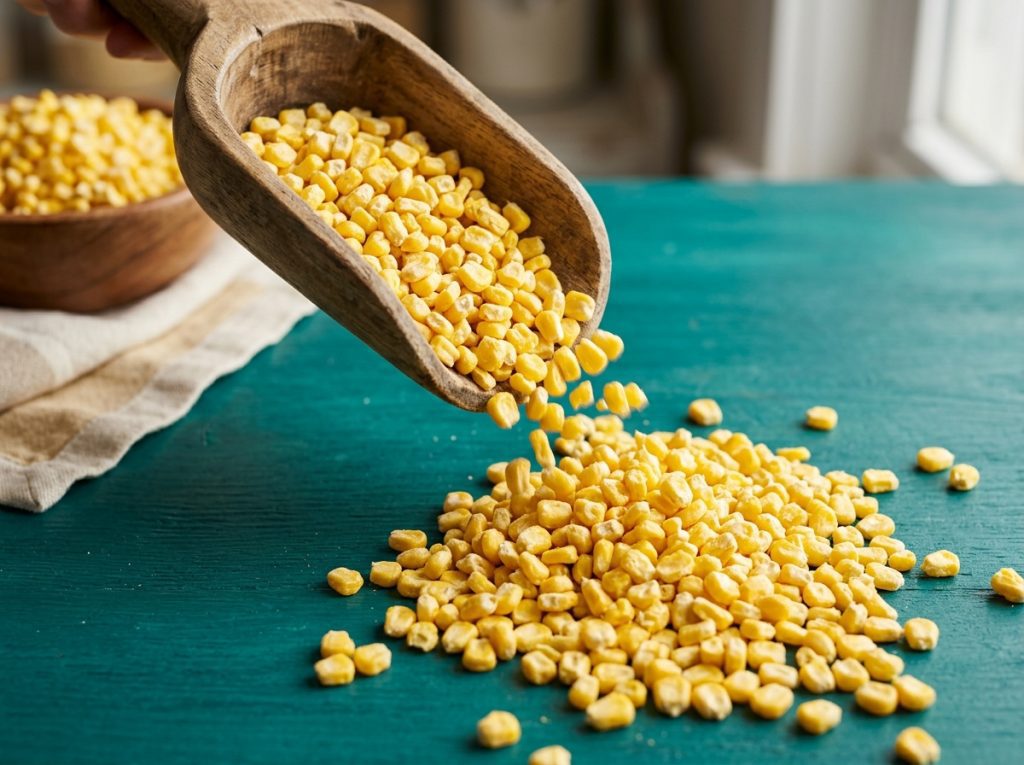
Freeze-dried vegetables are real vegetables with nearly all the water removed, so they keep their color, structure, and most of their nutrients while lasting 20 to 30 years on the shelf. That combination, garden-fresh quality plus decades of shelf life, is exactly why they’re a cornerstone of any smart pantry. Whether you’re stocking for emergencies, simplifying weeknight cooking, or just hate watching produce rot in the crisper drawer, this is everything you need to know about choosing, storing, and using freeze-dried vegetables.
How Freeze-Drying Beats Dehydrating
Both methods remove water, but they do it in opposite ways, and the results show it.
Dehydrating uses heat to slowly evaporate moisture. That heat shrinks the vegetable, dulls its color, and degrades some of its nutrients and flavor, which is why dehydrated veggies look leathery and store for months, not decades.
Freeze-drying works through sublimation: the vegetable is frozen solid, then low pressure turns the ice directly into vapor without high heat. Because the food is never cooked, it holds its shape, its bright color, and most of its nutrients and flavor. Remove roughly 98 to 99% of the moisture this way, seal it with an oxygen absorber, and you get a vegetable that looks and tastes remarkably close to fresh once rehydrated, and lasts for decades.
Freeze-drying is the gentlest way to preserve a vegetable, low temperature, no cooking, and the color, texture, and nutrition that survive the process are exactly what you taste years later.
The Best Vegetables to Store
Some vegetables are simply built for freeze-drying, they rehydrate well, taste great, and slot into endless meals. Stock the workhorses:
- Peas, sweet, snackable dry, and great in soups and rice dishes
- Corn, holds its sweetness and pop
- Carrots, color and substance for stews and stir-fries
- Green beans, a classic side and soup staple
- Broccoli, rehydrates into a hearty addition for casseroles and stir-fries
- Bell peppers, flavor and color for fajitas, sauces, and scrambles
- Onions, the flavor base for almost everything you cook
- Spinach, packs down small and bulks up soups and egg dishes
- Potatoes, versatile calories for hashes, soups, and sides
Browse the full range in our freeze-dried vegetables selection, and consider bulk and variety packs to cover several at once at better value.
How to Rehydrate Freeze-Dried Vegetables
Vegetables rehydrate best with heat. The simple method:
- Add roughly an equal volume of hot water (about a 1:1 to 1.5:1 ratio).
- Let them soak for about 10 to 15 minutes, stirring once or twice.
- Drain any excess before adding to your dish.
The even easier route: toss them straight into a simmering soup, stew, or sauce. They’ll rehydrate right in the pot and absorb the surrounding flavors, no separate step needed. Just avoid over-soaking, stop when they’re tender, not waterlogged.
Build Your Freeze-Dried Pantry
Hand-picked categories for this guide — sealed for 20–30 years, ready when you are.
Ways to Use Them
Freeze-dried vegetables shine anywhere fresh ones would, with none of the prep or waste:
- Soups and stews: drop them in dry and let them reconstitute as everything simmers.
- Sautés and stir-fries: rehydrate briefly, then cook as usual.
- Casseroles and skillet meals: an instant veg boost with no chopping.
- Eggs and omelets: peppers, onions, and spinach fold right in.
- Snacking: many, like peas and corn, are crunchy and tasty straight from the bag.
The convenience factor is real: no washing, no chopping, no spoilage, and no half-used vegetable wilting in the fridge.
Shelf Life: 20 to 30 Years, Done Right
Sealed in a #10 can or Mylar pouch with an oxygen absorber and stored cool, dark, and dry, freeze-dried vegetables last 20 to 30 years. The combination of near-total moisture removal and oxygen-free packaging leaves almost nothing for spoilage to act on.
Once you open a container, the timeline shortens, oxygen and humidity get back in. Reseal tightly after each use, keep opened product airtight, and use it within a few months for the best texture and flavor.
How Much Should You Store?
Vegetables aren’t your main calorie source, but they’re what keeps a stored-food diet nutritious and appetizing, so don’t skimp. A practical approach is to store enough variety that every cooked meal can include a vegetable or two, then scale that to the number of people and days you want to cover. Rather than guess, run your household through our supply calculator to get a concrete target, and remember that rotating through your supply, cooking with it now and then, keeps everything fresh and your menu interesting.
Ready to add color, nutrition, and decades of shelf life to your pantry? Explore our freeze-dried vegetables, stock several at once with our bulk and variety packs, and size your supply with the supply calculator today.