
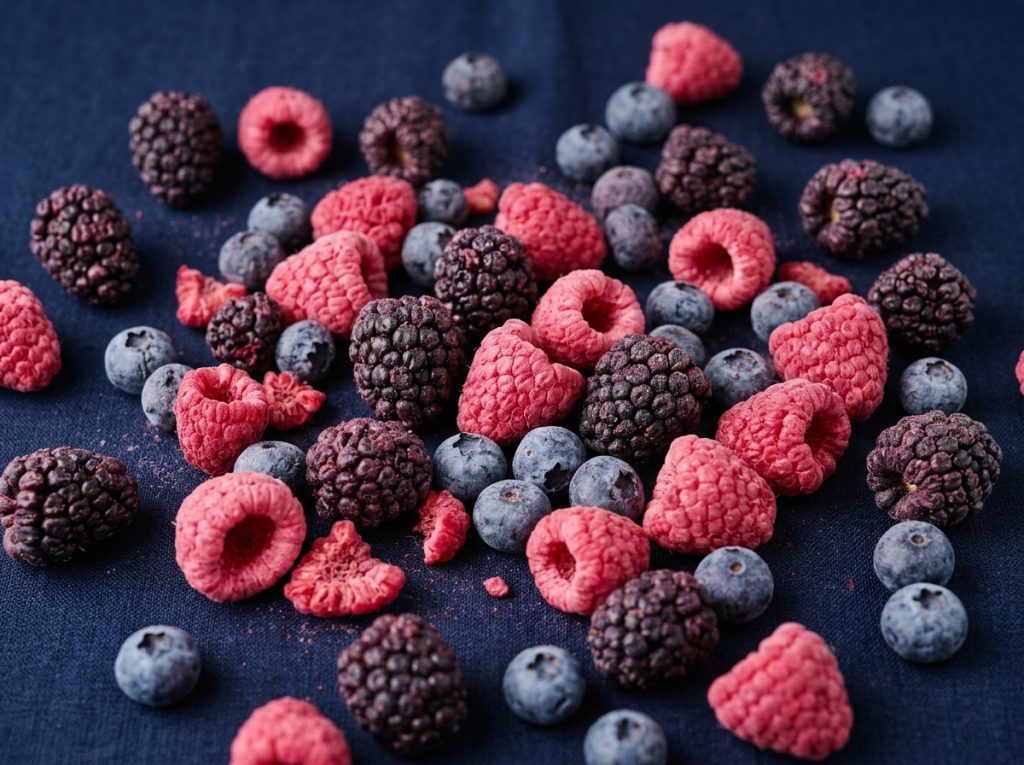
If you’re building a food supply meant to outlast a crisis — or just an unpredictable few years — freeze-dried is the category to anchor it. Sealed properly in #10 cans or Mylar pouches with oxygen absorbers, freeze-dried foods last 20–30 years, far longer than typical canned goods or home-dehydrated food, and they hold onto most of their nutrients and flavor while they wait. Here’s how to choose the best long-shelf-life foods and what to prioritize first.
Why freeze-dried beats canned and dehydrated
All three methods preserve food by controlling water, but they’re not equal.
- Canned goods are cooked and stored wet. They’re heavy, and most carry a best-by window measured in a few years, not decades.
- Dehydrated food uses heat to drive off moisture, which can dull flavor and degrade some nutrients, and it usually retains more residual water (around 90–95% removed) — so it doesn’t store as long.
- Freeze-dried food removes roughly 98–99% of moisture through sublimation at low temperature. Less heat and less leftover water means longer shelf life, lighter weight, and better retention of taste and texture.
The rule of thumb: the drier and colder the preservation, the longer and better the food keeps. Freeze-drying wins on both.
The categories to prioritize
A resilient supply isn’t one giant tub of a single food — it’s a balanced pantry. Build it in this order.
1. Calorie-dense staples
Survival is about calories first. Bulk grains, legumes, and starches stretch the furthest per dollar and form the base of most meals. Start with our bulk packs for the biggest calorie-per-dollar return.
2. Proteins
Calories keep you going; protein keeps you functional. Freeze-dried meats — chicken, beef, pork, sausage — plus beans give you real, satisfying protein that rehydrates in minutes. These are what turn a bowl of plain rice into an actual meal.
3. Fruits and vegetables
Long-term eating fails on monotony. Freeze-dried fruits and vegetables add color, vitamins, fiber, and variety that keep appetites alive when you’re eating from storage for weeks. They also rehydrate fast and work in everything from oatmeal to soups.
4. Dairy and eggs
These are the quiet workhorses of long-term cooking. Freeze-dried dairy and eggs let you bake, make creamy sauces, and put together a real breakfast long after fresh versions would have spoiled.
5. Bulk and variety
Round out the supply with bulk and variety packs so you’re not stuck eating the same three things. Variety is what makes a stored food supply something you’ll actually want to eat.
Build Your Freeze-Dried Pantry
Hand-picked categories for this guide — sealed for 20–30 years, ready when you are.
20–30 year storage, done right
Freeze-dried food’s long life depends on the seal. Keep it simple:
- Keep cans and pouches sealed until you need them — the oxygen absorber inside is doing the heavy lifting.
- Store cool, dry, and dark. A steady 50–70°F closet beats a hot garage every time.
- Once opened, freeze-dried food shifts to a months-long window — reseal tightly and use it up.
Rotation: the supply that lasts is the one you use
A 25-year shelf life is a safety margin, not a license to forget your food exists. The healthiest pantry is a living one:
- Buy what you’ll actually eat. If your family likes it on a normal Tuesday, it’s a good emergency food.
- Cook from storage occasionally. You’ll learn rehydration ratios before you ever need them under pressure.
- First in, first out. Date your cans and pull the oldest first.
How much do you actually need?
Don’t guess. Our supply calculator takes your household size and how many days you want to cover, then tells you roughly how much food to store — so you buy what you need instead of over- or under-shooting. Pair it with the preparedness guides to plan water and storage alongside food.
The best emergency food is the kind that lasts decades, tastes good, and covers every part of a meal. Start with the foundation — browse our bulk packs and freeze-dried meats, run the numbers in the calculator, and build a supply you can count on.