
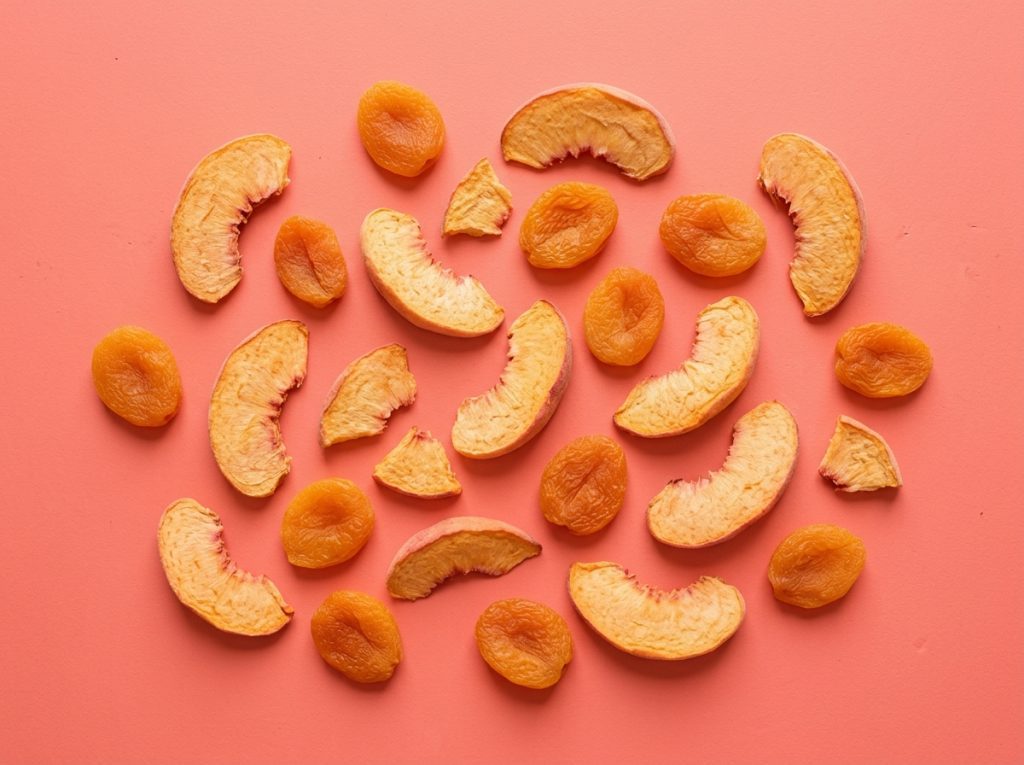
Freeze-dried food isn’t a novelty — it’s one of the most practical pantry upgrades you can make. It solves problems fresh food can’t: it lasts for decades, weighs almost nothing, wastes almost nothing, and still tastes close to fresh. Here are the real advantages, each with the specifics that make them matter.
1. Shelf life measured in decades
This is the headline advantage. Sealed in #10 cans or Mylar pouches with oxygen absorbers, freeze-dried ingredients last 20-30 years. That’s not a typo. Because 98-99% of the moisture is removed and oxygen is sealed out, the conditions that cause spoilage simply aren’t present.
Practically, that means you can buy bulk and variety packs once and have them stand ready for the long haul — no constant rotation, no quarterly tossing of expired cans.
2. Most nutrients and flavor, preserved
The low-temperature sublimation process is gentle on food. Unlike high-heat drying or cooking, it keeps the food’s structure intact, so freeze-dried ingredients retain most of their nutrients and flavor. A freeze-dried strawberry still looks, smells, and tastes like a strawberry.
You can experience this most directly with freeze-dried fruits eaten dry — concentrated, true-to-life flavor with the water simply removed.
The genius of freeze-drying is that it removes water without removing what makes food taste like food.
3. Astonishingly lightweight
With nearly all the water gone, freeze-dried food can weigh a small fraction of its fresh equivalent. That’s a game-changer for anyone carrying their food on their back. A few pouches of freeze-dried meat and vegetables can fuel days of hiking without the weight penalty of cans or fresh produce — perfect for your camping and outdoor kit.
4. Genuine versatility
This is where freeze-dried ingredients pull ahead of fixed, prepackaged meals. Because they’re real ingredients, you cook with them on your own terms:
- Fruits in oatmeal, yogurt, smoothies, baking, or straight from the pouch
- Vegetables dropped into soups, stews, stir-fries, and casseroles
- Meats rehydrated for any recipe that calls for cooked protein
- Dairy & eggs for cooking and baking when fresh isn’t available
One stocked shelf becomes hundreds of possible meals rather than a fixed menu.
Build Your Freeze-Dried Pantry
Hand-picked categories for this guide — sealed for 20–30 years, ready when you are.
5. Effortless convenience
Most freeze-dried items need only water and standard cooking — and snackable fruits need nothing at all. There’s no chopping, no peeling, no thawing. Pour out the exact amount you need, reseal, and you’re done. For quick energy on the go, freeze-dried snacks are ready the instant you open the pouch.
6. Dramatically less waste
Fresh produce wilts, browns, and ends up in the bin. Freeze-dried ingredients let you use precisely what a recipe needs and store the rest indefinitely. Need a tablespoon of onions or a handful of peas? Take exactly that. Over a year, the reduction in spoilage and grocery waste is substantial — and it’s good for your budget as much as your peace of mind.
Advantages at a glance
| Advantage | What it means for you |
|---|---|
| 20-30 year shelf life | Buy once, store for decades, minimal rotation |
| Nutrition & flavor retention | Tastes close to fresh, keeps most nutrients |
| Lightweight | Ideal for backpacking, travel, and grab-and-go kits |
| Versatile ingredients | Cook real meals your way, not a fixed menu |
| Convenient | Just add water; snacks need nothing |
| Less waste | Use exactly what you need, store the rest |
Who benefits most?
- Busy households wanting fresh-tasting ingredients without the spoilage clock.
- Preparedness-minded families building a supply that lasts for decades.
- Hikers and campers who count every ounce in their pack.
- Anyone tired of throwing out produce that went bad before they could use it.
The advantages stack up quickly once freeze-dried food is part of your routine. Browse the full shop across fruits, vegetables, meats, and dairy & eggs, then run your numbers through our supply calculator to see exactly what to stock. Smart, lasting food storage starts here.