
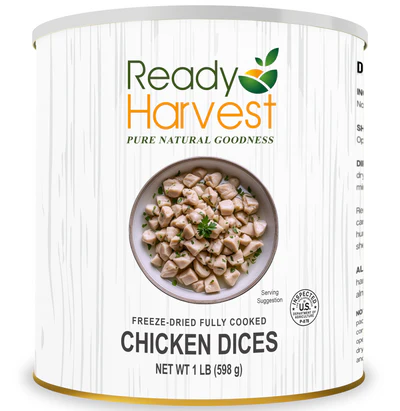
Freeze-dried food has quietly become one of the smartest ways to stock a pantry, pack a backpack, and prepare for the unexpected. It tastes remarkably close to fresh, weighs almost nothing, and can sit sealed on a shelf for decades. If you’ve ever wondered how it works, why it lasts so long, and how to actually use it day to day, this is the complete guide.
What “freeze-dried” actually means
Freeze-drying preserves food through a process called sublimation. The food is frozen solid, then placed in a vacuum chamber where the pressure is lowered and a small amount of heat is applied. Under those conditions, the ice inside the food turns directly from solid to vapor without ever becoming liquid. This pulls out roughly 98-99% of the moisture while keeping temperatures low.
That low-temperature approach is the key difference between freeze-drying and old-fashioned dehydrating. Because the food is never cooked or baked dry, it keeps its original shape, color, and structure. A freeze-dried strawberry still looks like a strawberry. Add water, and it largely returns to what it was.
Why people choose freeze-dried food
- Exceptional shelf life. Sealed in #10 cans or Mylar pouches with oxygen absorbers, most freeze-dried foods last 20-30 years.
- Nutrition retention. The gentle, low-temperature process means freeze-dried food retains most of its nutrients and flavor compared with heat-heavy preservation methods.
- Lightweight. With nearly all the water removed, the food can weigh a fraction of its fresh equivalent — ideal for backpacking and bug-out bags.
- Versatility. These are real ingredients you cook with, not a single fixed meal in a pouch.
- Less waste. Pour out exactly what you need and reseal the rest. Nothing wilts or spoils in the crisper drawer.
How freeze-dried food is stored
Two formats dominate, and both rely on removing oxygen:
| Format | Best for | Sealed shelf life |
|---|---|---|
| #10 cans | Long-term home storage, bulk staples | 20-30 years |
| Mylar pouches | Portability, camping, smaller quantities | 20-30 years |
Three things make that longevity possible: low moisture, an oxygen-free seal (achieved with oxygen absorbers), and a cool, dark, stable storage location. Heat, light, and humidity are the enemies of shelf life. Once you open a can or pouch, oxygen and moisture re-enter, and the contents are best used within a number of months — reseal tightly and keep them dry.
The single biggest factor in how long your food lasts is whether the seal stays intact. An unopened can in a cool closet will outlast almost anything else in your kitchen.
Build Your Freeze-Dried Pantry
Hand-picked categories for this guide — sealed for 20–30 years, ready when you are.
How to actually use it
Because freeze-dried items are ingredients rather than finished meals, they slot into normal cooking:
- Fruits — eat them dry as a crunchy snack, or rehydrate into oatmeal, yogurt, smoothies, and baking.
- Vegetables — toss straight into soups, stews, stir-fries, and casseroles; they rehydrate as they cook.
- Meats — rehydrate and use in any recipe calling for cooked meat.
- Dairy & eggs — powdered milk, cheese, and eggs for cooking and baking when fresh isn’t available.
- Snacks — grab-and-go options for lunchboxes, desks, and trails.
How to choose what to buy
Start with how you’ll use it
If you want everyday convenience, build around the fruits, vegetables, and proteins you already cook with. If you’re focused on emergency readiness, lean on bulk and variety packs that cover multiple food groups in one purchase.
Match the format to the job
Choose #10 cans for deep pantry storage and Mylar pouches for trips and grab-and-go kits. Many households keep both.
Round out your kit
Food is only half of preparedness. Don’t forget water and filtration, plus survival gear and camping and outdoor essentials for off-grid situations.
A quick word on who we are
ThriveFreeze is a curator. We partner with trusted suppliers including Ready Harvest and Thrivalist to bring you quality freeze-dried ingredients — we don’t farm, manufacture, or pack the food ourselves. Our job is to help you choose well and build a supply that fits your life.
Common questions
Does freeze-dried food taste good?
Yes. Because it keeps so much of its original flavor and structure, most people find it tastes close to fresh, especially fruits eaten dry.
Do I need special equipment to use it?
No. Most items only need water and standard cooking. Snackable fruits need nothing at all.
Is it the same as MREs or canned goods?
No. Freeze-dried ingredients are lighter, last far longer than canned food, and give you the flexibility to cook real meals your way.
Ready to start building your supply? Browse the full shop across fruits, vegetables, meats, and dairy & eggs, then use our supply calculator to size your stock to your household. A pantry that lasts decades starts with a single smart can.