
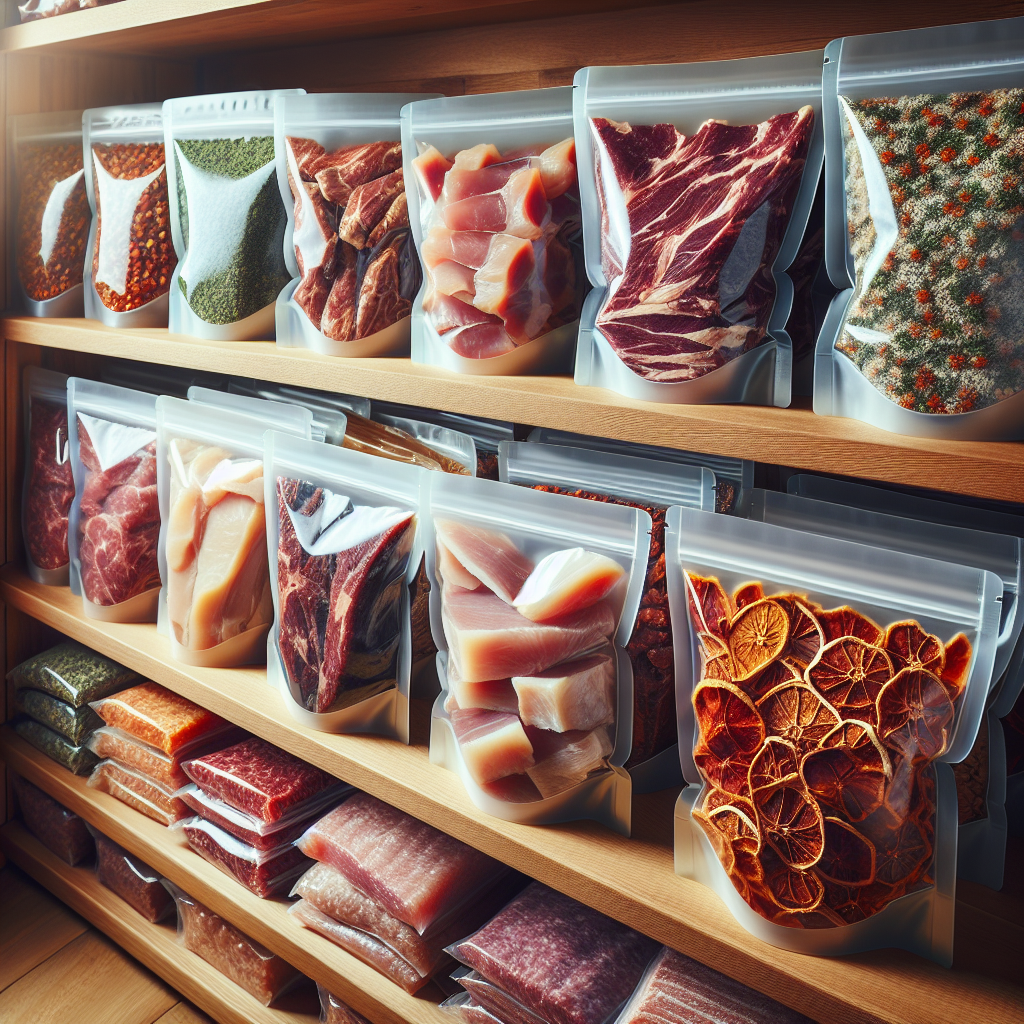
If there’s one category that transforms a freeze-dried pantry from “interesting” to “indispensable,” it’s meat. Shelf-stable protein that rehydrates into real, cookable chicken and beef—no freezer, no thawing, no spoilage—solves the single hardest problem in long-term food storage. Here’s why freeze-dried meats deserve a starring role in your pantry.
The protein problem they solve
Protein is the hardest part of food storage to get right. Fresh meat spoils in days, frozen meat depends on uninterrupted power, and canned meat is heavy and limited. Freeze-dried meats sidestep all of it. With roughly 98–99% of the moisture removed through sublimation, the protein is locked into a lightweight, shelf-stable form that retains most of its nutrients and flavor—and lasts 20–30 years sealed in #10 cans or Mylar with oxygen absorbers.
Convenience that changes how you cook
Freeze-dried meat is pre-cooked before drying, so rehydrating is genuinely fast. There’s no raw handling, no defrosting, and no guesswork. Need diced chicken for a stir-fry? Scoop, add hot water, wait a few minutes, and cook. Want taco meat tonight? Ground beef rehydrates while your skillet heats. You use exactly what you need and reseal the rest—zero waste, every time.
The first time you make a full dinner from a scoop of shelf-stable chicken that tastes like the real thing, the lightbulb goes on. This isn’t survival food you tolerate—it’s a smarter way to keep protein on hand.
Rehydration ratios and dry-to-cooked yield
Because most of the weight in fresh meat is water, a little freeze-dried meat goes a long way once rehydrated. Use these as practical planning guidelines—exact amounts vary by product and cut:
| Meat | Rough rehydration | Method | Result |
|---|---|---|---|
| Diced chicken | Add roughly equal-to-double its volume in hot water | Soak 10–15 min in hot water | Tender, cookable pieces |
| Ground beef | Add hot water to cover, drain excess | Soak 8–12 min | Crumbles ready to brown or season |
| Sausage crumbles | Add hot water to cover | Soak 8–10 min | Skillet- and soup-ready |
The key mindset shift: a small, light scoop of freeze-dried meat expands back to a meaningful serving once water goes back in. That’s what makes it so efficient to store.
Build Your Freeze-Dried Pantry
Hand-picked categories for this guide — sealed for 20–30 years, ready when you are.
Per-person planning
A common planning target is around a quarter-pound of cooked protein per person per meal where meat is the centerpiece. Because freeze-dried weight is so much lower than cooked weight, a single #10 can stretches across many servings. When you’re stocking up:
- Estimate how many meals per week feature meat for your household.
- Multiply by the number of people and the timeframe you want to cover.
- Lean on bulk and variety packs to cover multiple proteins at a better per-serving value.
Everyday uses (not just emergencies)
- Weeknight dinners: chicken stir-fry, beef tacos, pasta with sausage—on the table fast.
- Soups and chili: add crumbles straight into the pot; they rehydrate as it simmers.
- Camping and backpacking: real protein at a fraction of the carry weight.
- Busy-week backup: when the fridge is bare, dinner is still a scoop away.
Storage that protects your investment
Sealed cans and pouches keep for decades when stored cool, dry, and out of direct light. Once you open a can, reseal it tightly, keep it cool and dark, and use the contents within several months for best quality. Label the open date so you always know where you stand.
A note on what you’re buying: ThriveFreeze curates freeze-dried ingredients in partnership with Ready Harvest / Thrivalist. We don’t sell prepared entrées—we sell the real, single-ingredient proteins you cook into your own meals.
Protein is the foundation of any serious pantry. Start with a couple of versatile staples from our freeze-dried meats, then round out your supply with a bulk pack to cover more meals at a better value. Your future self—busy, hungry, and out of fresh groceries—will thank you.